Newsletter
Good news from the field
Short updates when land is secured, a corridor is connected or a camera trap catches something new.

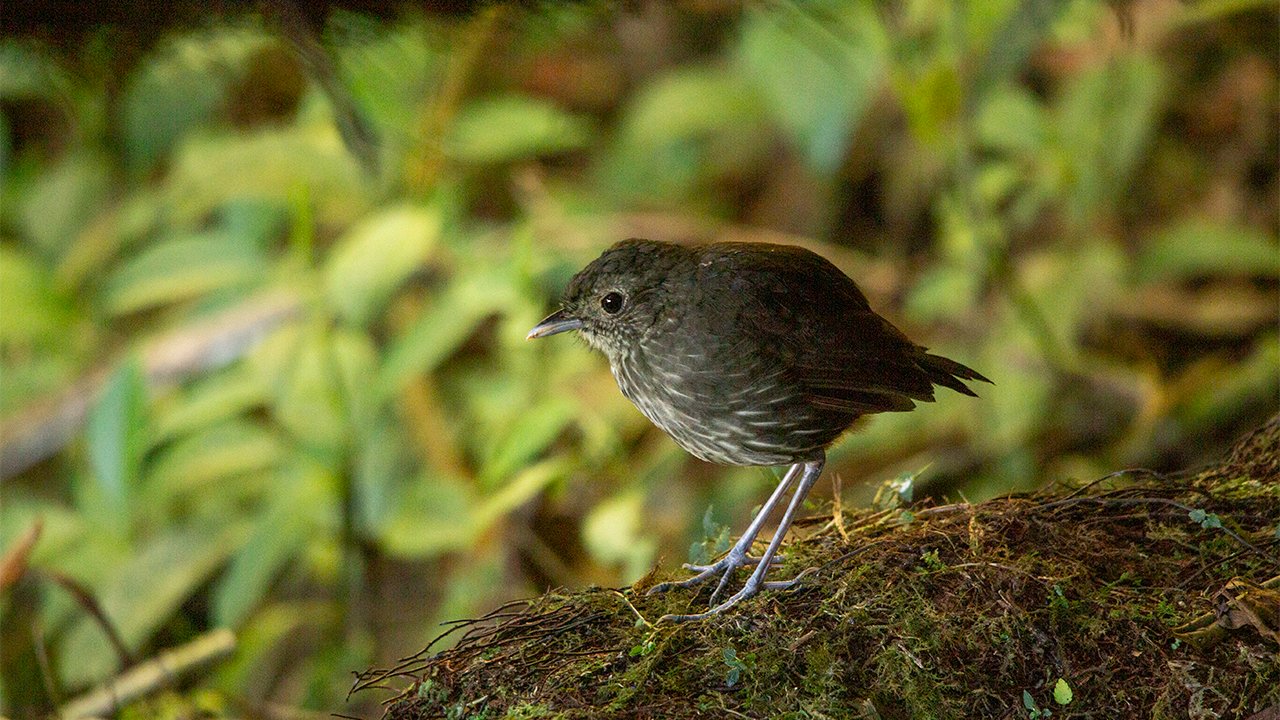
Tropical Andes biodiversity hotspot
Fewer than 800 Cundinamarca antpittas survive, all in a sliver of cloud forest southeast of Bogotá. We funded the purchase of 46 acres to give them more forest.
See what we funded“The Cundinamarca Antpitta is among the most range restricted and endangered birds on Earth.”
A biodiversity hotspot
The Cundinamarca antpitta lives only on the eastern slope of Colombia’s Eastern Andes, in a range of about 540 square miles. It spends its life in the dense understory of cloud forest between about 5,600 and 7,500 feet. Peter Kaestner, an American diplomat and birder, first noticed it in 1989.
Cattle pasture and clearing have broken this forest into pieces, and less than a fifth of the bird’s remaining habitat lies inside protected areas. The IUCN lists it as Endangered, with an estimated 330 to 800 adults left.
What’s at stake
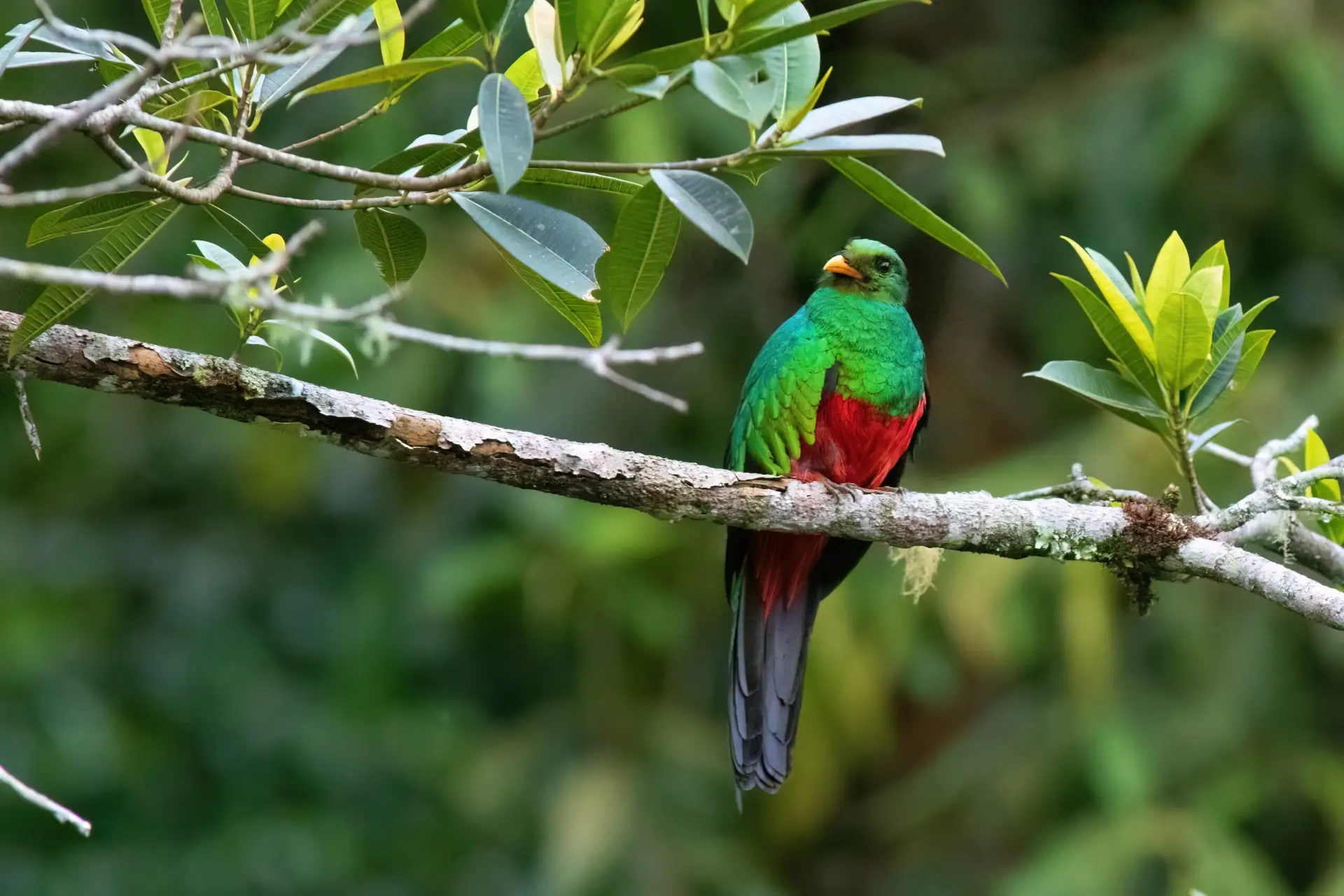
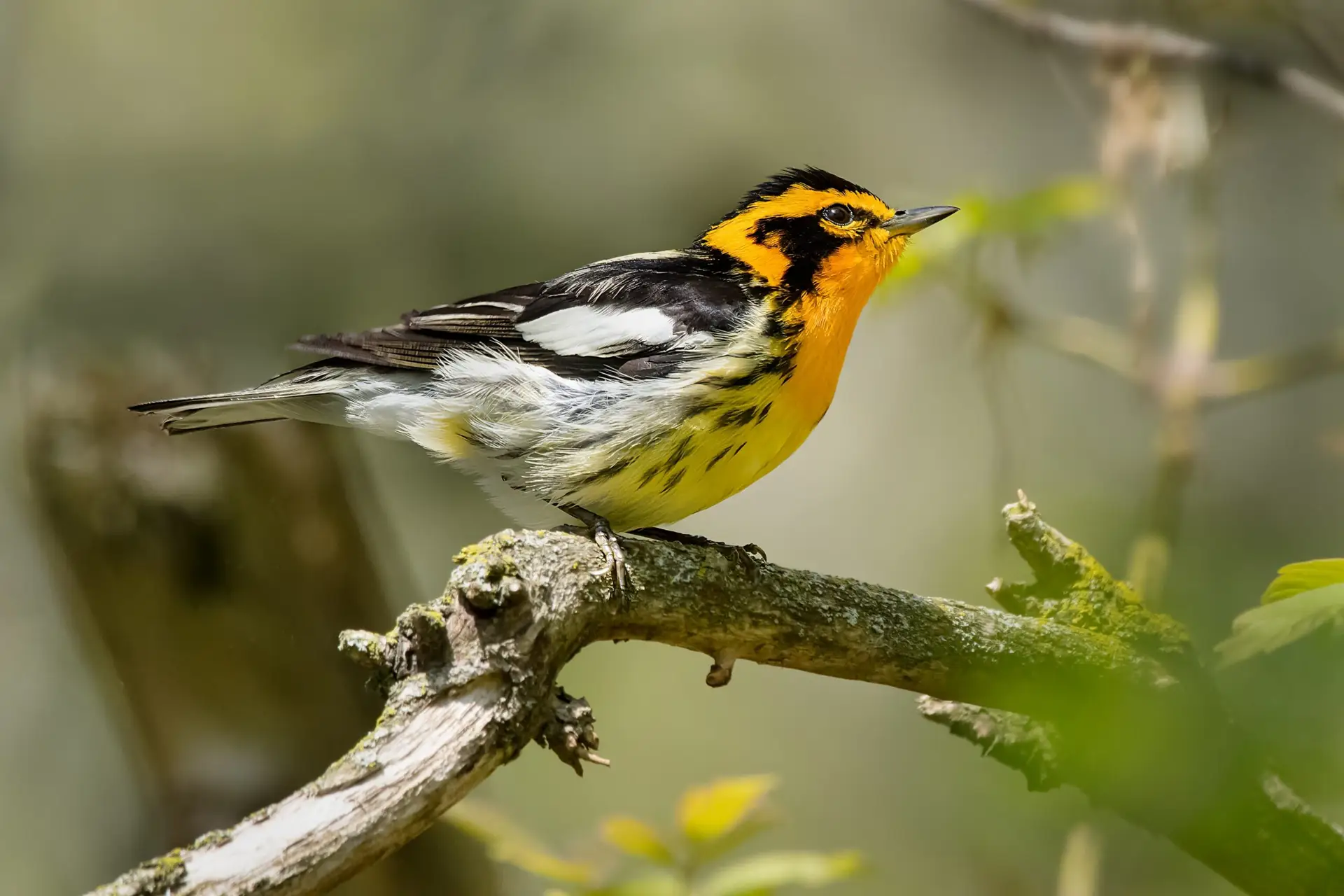
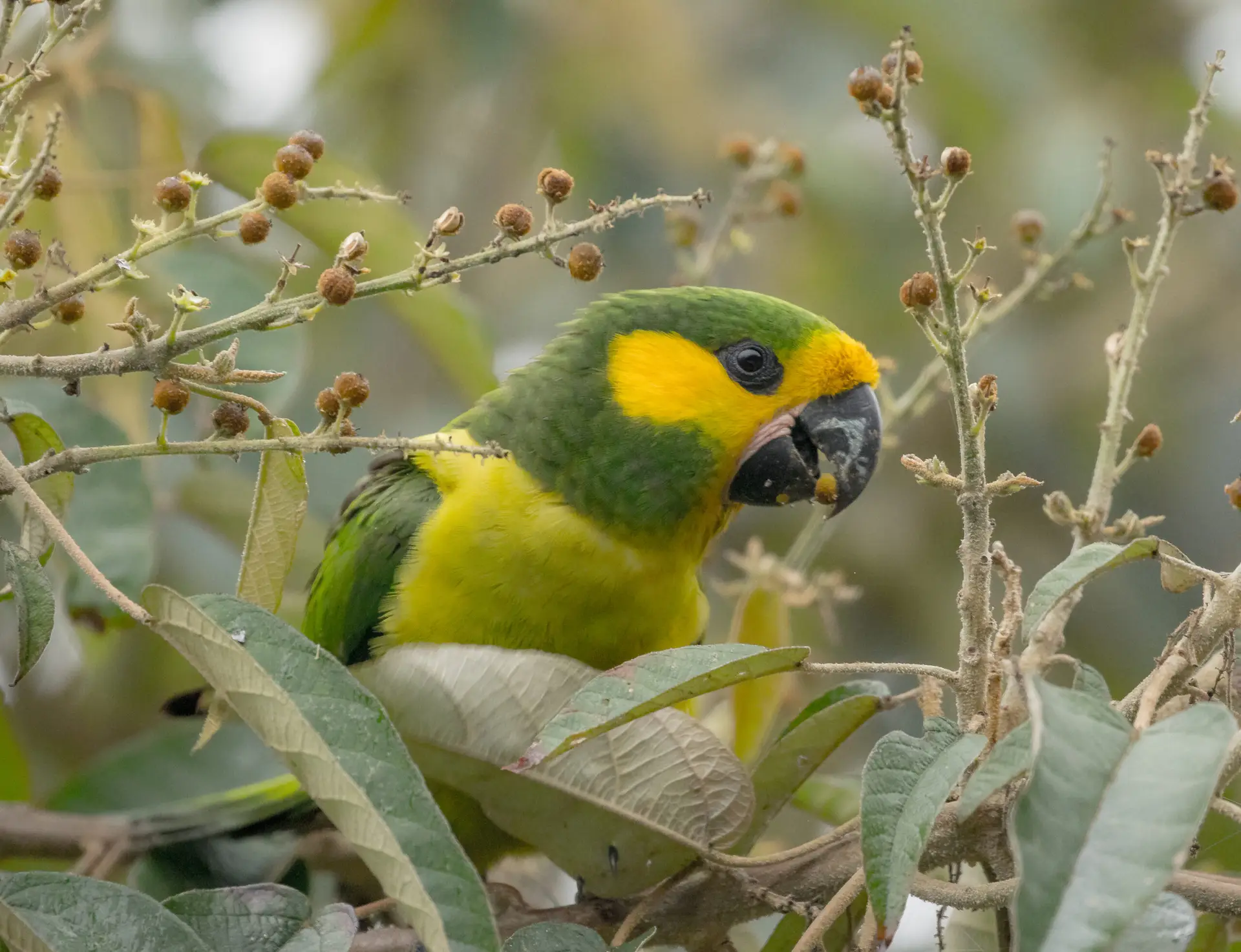
Birders have recorded 231 bird species at Refugio del Tororoi, including about 30 with small ranges. Two live nowhere outside Colombia: the Cundinamarca antpitta and the brown-breasted parakeet. The yellow-eared parrot once lived in Ecuador too, and now survives only in Colombia. At least 15 species that nest in the U.S. and Canada spend the winter here, including the Blackburnian warbler. Read how we protect migratory birds. The same forest shelters spectacled bears, South America’s only bear, which need large, unbroken stretches of forest to survive.
The solution
Our partner, Fundación Camaná, manages the 446-acre Refugio del Tororoi, created in 2023 to protect the antpitta. It grew out of a local family’s work: the Herreras began feeding the antpitta worms on their land, attracting birdwatchers and income for their family.
In 2025, Saving Nature funded the purchase of the Herrera and Pérez properties, 46 acres that border the reserve and extend its protection downslope toward the valley. Fundación Camaná fences out cattle so native forest can grow back on its own, linking forest patches into continuous habitat that also protects water sources and soil.
Our work continues
We are not raising funds for this project right now. Our work in Colombia continues in the Western Andes, where we help Fundación Bioconservancy reconnect cloud forest.
Explore Colombia’s Western AndesA small, long-legged bird that lives on the floor of dense cloud forest in Colombia’s Eastern Andes. It is endemic to Cundinamarca Department and listed as Endangered, with an estimated 330 to 800 adults left.
Peter Kaestner, an American diplomat and birder, first noticed the bird in 1989. Scientists described it as a new species in 1992 and named it Grallaria kaestneri in his honor.
In 2025, we funded the purchase of the Herrera and Pérez properties, 46 acres that border the Refugio del Tororoi reserve. Our partner, Fundación Camaná, fences out cattle so native forest can grow back on its own.
A Colombian conservation organization that has worked in the Eastern Andes since 2019. It manages the Refugio del Tororoi reserve, studies the antpitta and works with local families.
We are not raising funds for this project right now. You can support our current work in Brazil, Colombia’s Western Andes and Sumatra.