Category: Places

Panama’s Darién Gap: An Urgent Plea to Stop Deforestation
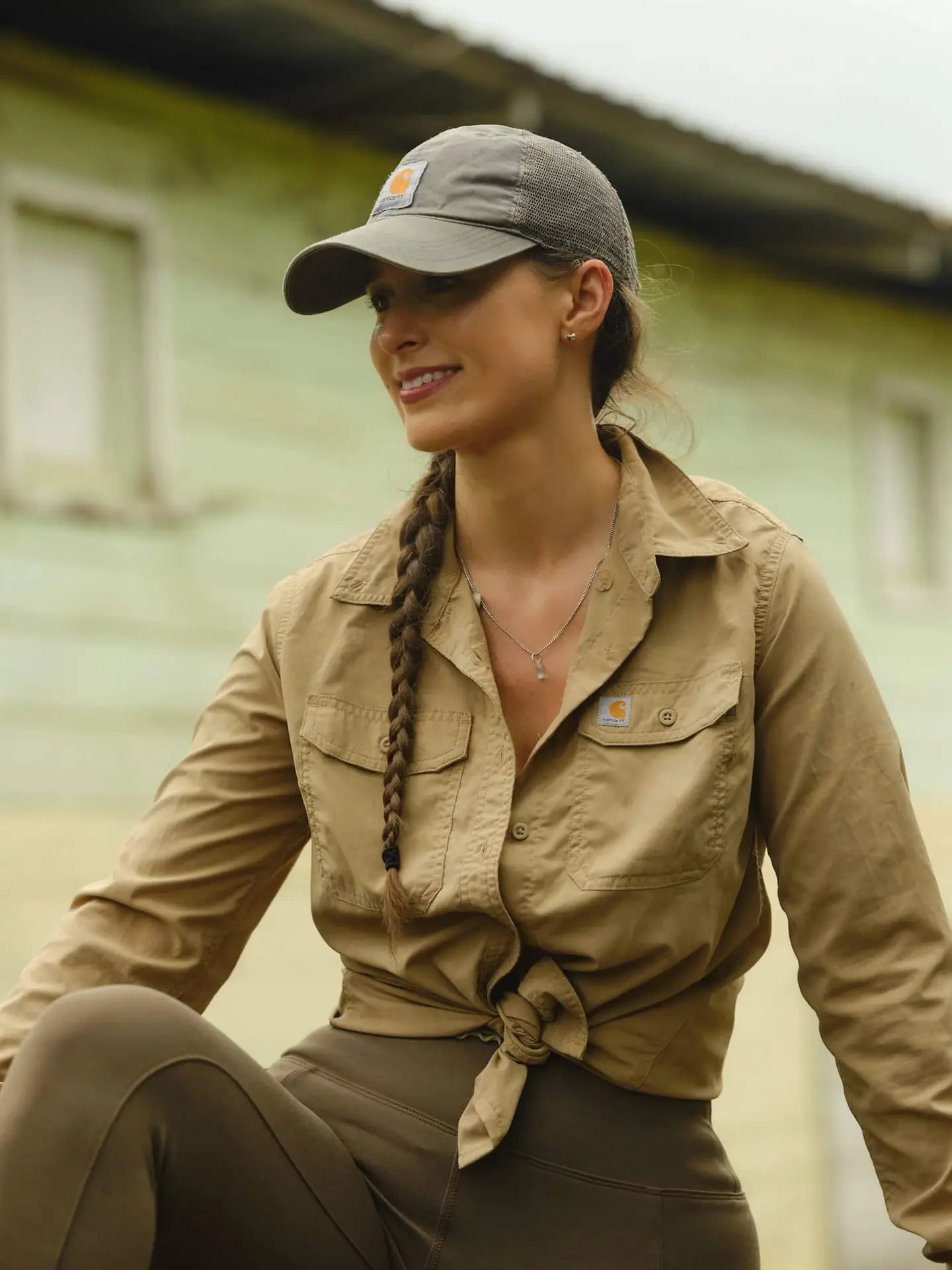
Alexandra Climent

Panama's Darién Gap: An Urgent Plea for Conservation

Veronika Perková, Journalist & Host of the podcast Nature Solutionaries sits down with Alexandra Climent, founder of Endangered Rainforest Rescue to talk about her dedication to saving Panama’s Darien Gap.

Conservationist and artist Alexandra Climent has dedicated her life to protecting Panama’s Darién Gap, one of the most biodiverse and unexplored regions on Earth. Working alongside indigenous communities, she’s reforesting degraded land and creating a 5,000-hectare wildlife corridor

In a recent interview with Veronika Perkova, Alexandra shares her passion and vision for this endangered paradise. Learn how you can support her efforts to restore this vital ecosystem and contribute to the fight against climate change.

There aren’t many places on Earth you can call unexplored. The Darién Gap in Panama is one of them. This mountainous, densely forested region, often traversed by refugees migrating from Central to North America, is as wild and dangerous as it is breathtaking. Here, survival depends solely on you—there are no roads, shops, or hospitals. Yet this remote corner of the world is a biodiversity treasure, boasting more biodiversity per square foot than the Amazon and home to one of the highest carbon stocks on the planet.

The Darién Gap is also a conservation battleground. Fast-paced deforestation and habitat fragmentation are threatening its fragile ecosystems. That’s where Alexandra Climent comes in. A grassroots environmentalist and artist, Alexandra has made this wild and treacherous landscape her life’s work. Collaborating with indigenous communities, she has been working tirelessly to reforest degraded land with native trees, aiming to create a 5,000-hectare forest corridor that will connect protected areas, restore wildlife habitats, and serve as an essential carbon sink.

Meet Alexandra Climent: Artist, Conservationist, and Founder of Endangered Rainforest Rescue

Alexandra’s journey to the Darién Gap began unexpectedly. As a college student in New York, she took a part-time job at a wood construction company to help pay for her studies. What started as a simple job turned into a lifelong passion for tropical wood, eventually leading Alexandra to South America, where she spent seven years working with indigenous communities to collect fallen wood and transform it into beautiful furniture and sculptures.

But as she journeyed deeper into the rainforests, she witnessed their rapid disappearance. This heartbreak transformed her focus. Instead of merely creating art from the forest, she turned her efforts toward protecting it.

Today, Alexandra is dedicated to reforesting the Darién Gap with native trees, working alongside indigenous communities to restore what has been lost. Her goal is bold but achievable: to create a 5,000-hectare wildlife corridor that will reconnect fragmented forests, protect vital habitats, and secure a future for the region’s rich biodiversity.

“What’s really cool about protecting this area is that unlike the Amazon, the Darién Gap is rather tiny but it has such a big impact locally and globally. We can protect this place. It is a tangible goal,” says Alexandra, who has recently teamed up with Saving Nature to push this mission forward.

Saving this unique ecosystem is more than an environmental cause—it’s a global imperative.

Protecting the Darién Gap isn’t just about saving an isolated piece of land. It’s about safeguarding one of the last untouched forests in the world—one that plays a vital role in the fight against climate change. The forest’s rich carbon stocks help mitigate global warming, while its wildlife corridors allow species to migrate safely, avoiding the perils of deforestation and human encroachment.

Get Involved

You have the chance to be part of this incredible mission. By donating to Saving Nature, you’re directly contributing to the reforestation of the Darién Gap, helping Alexandra and her team buy up degraded land and plant native trees that will breathe life back into the forest.

Want to hear more about Alexandra’s inspiring journey? 

Tune into the latest podcast interview with Veronika Perkova to learn about Alexandra’s passion, challenges, and vision for the future of the Darién Gap. Together, we can protect the Bridge of the Americas and ensure that its beauty, biodiversity, and ecological importance endure for generations to come.
Donate today and help us save one of the most biodiverse places on Earth.

Planting Trees and Hope in the Atlantic Forest of Brazil

1 Comment

Planting Trees and Hope in the Atlantic Forest of Brazil

Veronika Perková, Journalist & Host of the podcast Nature Solutionaries sits down with Micaela Locke, REGUA’s  Research and Communications Coordinator to talk about her family’s dedication to Brazil’s “other” rainforest.

When Micaela Locke, a young Brazilian conservationist, speaks about her work at Guapiaçu Nature Reserve, she is radiant. No wonder. It’s rare to come across such a nice conservation story. Her family’s property, which could have been turned into a condominium or a factory back in the 1990s, has instead become a vibrant 11,000-hectare nature reserve buzzing with wildlife. 

In this interview, Micaela Locke talks about protecting biodiversity in the Atlantic Forest in Brazil and creating a corridor for wildlife by planting trees sourced from seeds the surrounding rainforest. 

Welcome, Micaela! While the Amazon is the largest and best-known rainforest in Latin America, the Atlantic Forest rarely makes it into the headlines of international news. And yet, it’s incredibly important for global biodiversity conservation. Can you briefly describe why it is so unique?

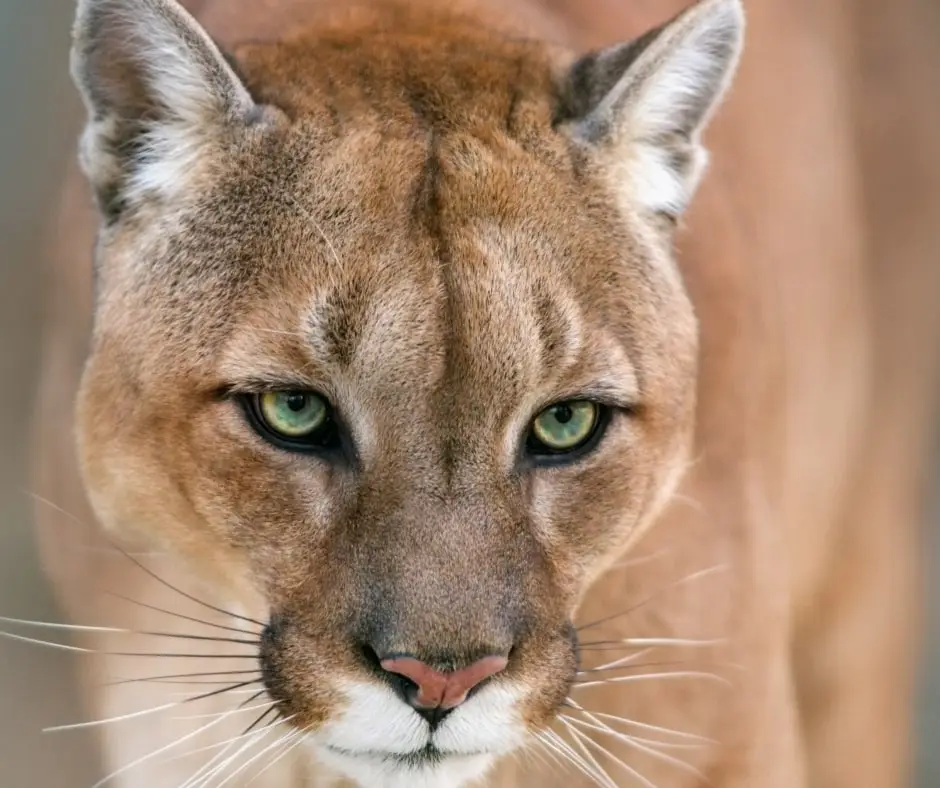
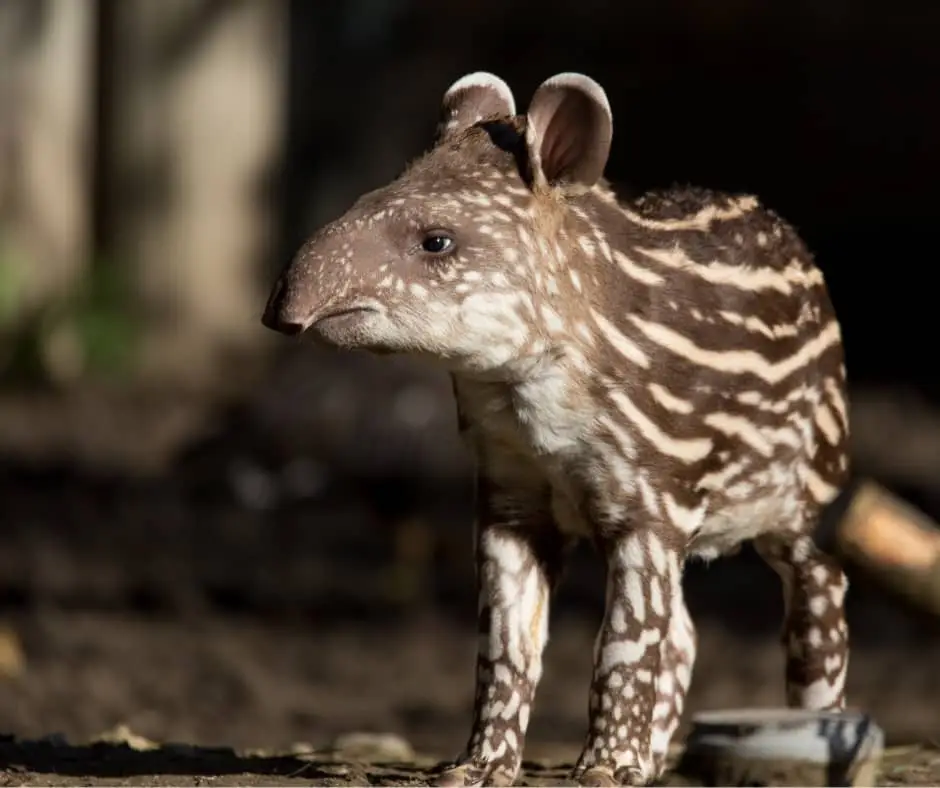
The Atlantic Forest is among the biologically richest and most diverse forests in the world with high levels of fauna and flora, which is found nowhere else on the planet. Its mosaic of different ecosystems ranges from humid, dry and coastal forests to mangroves. The forest is home to around 20,000 species of plants and 2,100 species of birds, mammals, reptiles, amphibians and fish. Some of the region’s most iconic animals, such as pumas, ocelots, tapirs and woolly spider monkeys, live in the Atlantic Forest.

This incredible biodiversity is under threat because it’s estimated that less than 16% of the forest cover remains today. How can we best protect what’s left and prevent further degradation?

Thanks to the Atlantic Forest National Law created in 2006 and the creation of parks, illegal logging and poaching have decreased throughout the country. People know that if they cut a tree, they will be prosecuted. So I believe the best solution is to turn the remaining forests into parks, which is already happening across Brazil. In the state of Rio de Janeiro, around 30% of the original forest cover (1 million hectares) is already legally protected by the Atlantic Forest National Law.

HELP HEAL BRAZIL'S ATLANTIC FOREST

A Vision for the Future

REGUA protects over 11,000 hectares of the Atlantic Forest in the Guapiaçu watershed. How did you manage to create such a big protected area?

It all began with my great grandfather, who moved from Germany to Rio de Janeiro state in 1895. He established his business (a silk factory) in Petropolis and bought land in the Guapiaçu watershed.  The third generation understood the relevance of protecting the remaining forest within the property and decided to create a private nature reserve in the late 1990’s.

What an interesting story! Since then REGUA has been protecting the forest and its biodiversity by expanding the nature reserve through land acquisition and partnership agreements, right?

Yes. In 2002, we increased the size of the reserve to 2,000 hectares. That’s where we created the offices, lodge and housing for visitors. Thanks to partners, such as SavingNature, we’ve been buying more land every year. We now own 8,000 hectares and additional 3,000 hectares through partnership agreements.

What is your goal? How much do you want to expand the reserve?

We want to double the size of REGUA in the Guapiaçu watershed. This area is important for three reasons: It safeguards a vital watershed for 2.5 million residents of eastern Metropolitan Rio de Janeiro city, builds habitat for biodiversity, and sequesters carbon dioxide to fight climate change.

Is it easy to buy land?

It has become easier over the years, because people trust REGUA’s conservation work. We often have people coming to our office to offer their properties for sale.  We usually buy land on slopes not suitable for farming or eroded hills and grasslands degraded from cattle grazing and areas that were burned for crops in the past.

Planting Trees to Create Wildlife Corridors

Besides protecting standing forests, you’ve also been restoring forests that had previously been cleared for timber and agriculture. What is your tree-planting strategy?

The aim of our reforestation program is to create connectivity between isolated forest fragments. Basically, we are building corridors that will enable wildlife to move through and access to other areas.  

How many trees have you planted so far? 

Since 2002, we have planted 800,000 trees.

Quite a number! What type of trees are you planting?

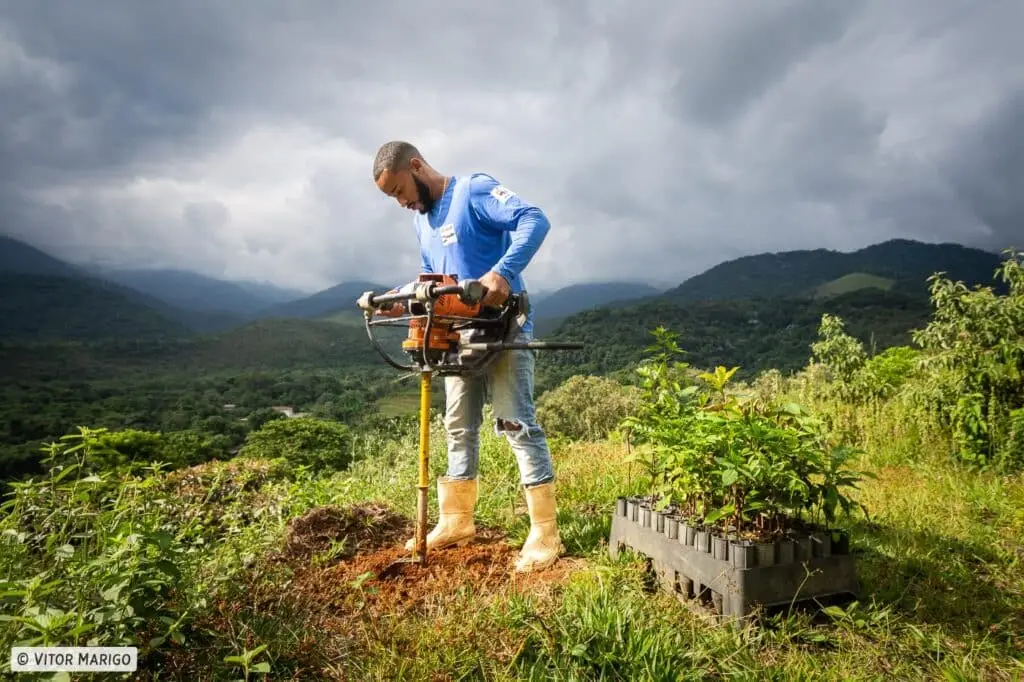
Our team and volunteers collect seeds from about 250 native Atlantic Forest species year-round from the forest on the reserve and surroundings. Over the years, we’ve been increasing the production of saplings in our nursery. The nursery can now provide about 100,000 saplings per year.

Man digging holes with auger to plant trees in Brazil's Atlantic Forest

That’s a lot! Do you have any special strategy for tree planting?

When we work on a reforestation site, we plant three categories of trees: pioneer, second growth and mature (climax). Each of these trees have a different function in the forest. The pioneer trees grow very fast, providing shade for the other trees. When the pioneer trees reach 10-15 years of age, they start breaking and die, creating organic matter and nutrients for the second growth trees. These trees grow slower and are important because they open the way for more demanding species.  Two of the most majestic trees are the Jequitibá and Copaíba trees, which take up to 30 to 50  years to become mature and produce seeds. When all these trees grow in one forest, it can be considered a mature forest.

Once the saplings are planted, how do you care for them?    

We have to return every three months to the restoration site to weed around the saplings and control the presence of the leaf cutting ants. This can take up to three or four years.

What are your reforestation goals for the upcoming years?

REGUA wishes to plant a million trees in the upcoming years within the Guapiaçu watershed. This can only be made possible through the generous support of partners like Saving Nature

Getting Results

What animals use the corridor?

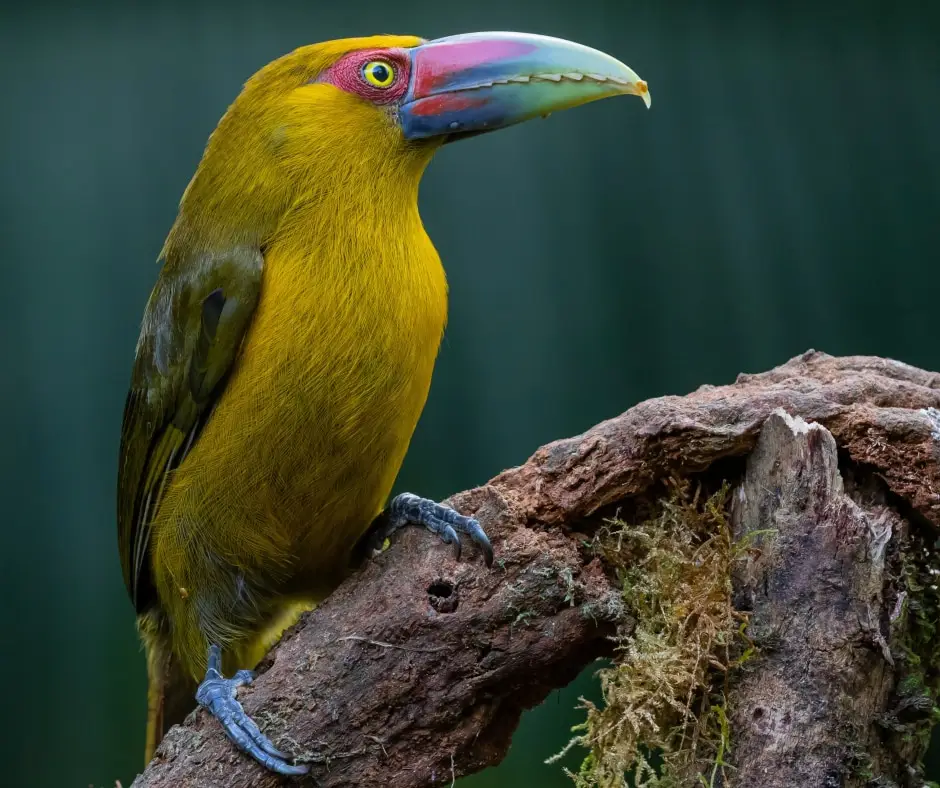
We have seen pumas, ocelots, margays and tapirs in the corridor. These animals need big areas to survive to search for food or explore the territory. But also birds, such as the Shrike-like cotinga, the Bellbird, the Blue-winged Parrotlet, and the White-necked Hawk, which used to be rare, are making a comeback.  Even though our oldest restoration sites are 16 years old and it will take another 20-30 years for the forests to be mature, they are already buzzing with life.

South American Tapir (Tapirus terrestris)
Saffron tucanet (Pteroglossus bailloni) from the Atlantic Forest of Brazil.

HELP HEAL BRAZIL'S ATLANTIC FOREST

Saving Neotropical Migratory Birds

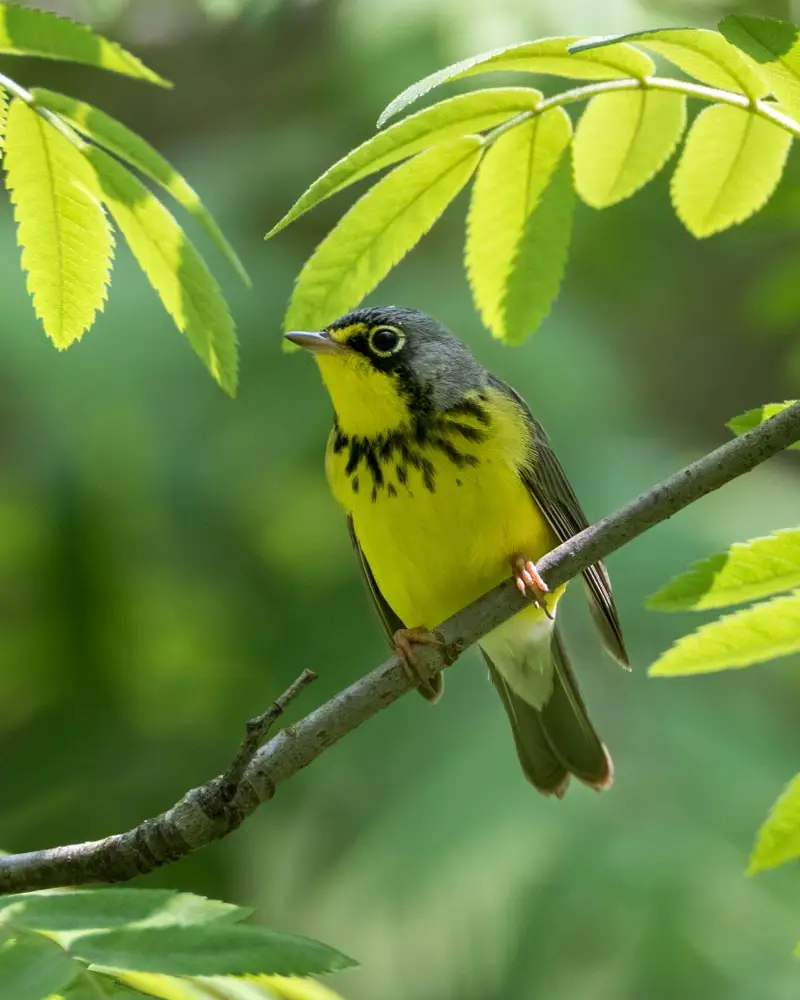
Canada Warbler

Saving Neotropical Migratory Birds

How Reforesting Colombia’s Western Andes Ensures the Survival of North American Birds

Neotropical migratory birds undertake incredible journeys, traveling thousands of miles between their breeding grounds in North America and their non-breeding grounds in the Western Andes of Colombia during the winter. However, these remarkable birds face a significant threat to their survival: the loss, degradation, and fragmentation of their critical habitats. 

In this blog post, we’ll explore the challenges faced by neotropical migratory birds in the Western Andes, the causes of declining populations, and the proposed solution of reforestation efforts to protect their winter habitat. Additionally, we’ll highlight how these conservation actions align with the growing interest in tree planting initiatives.

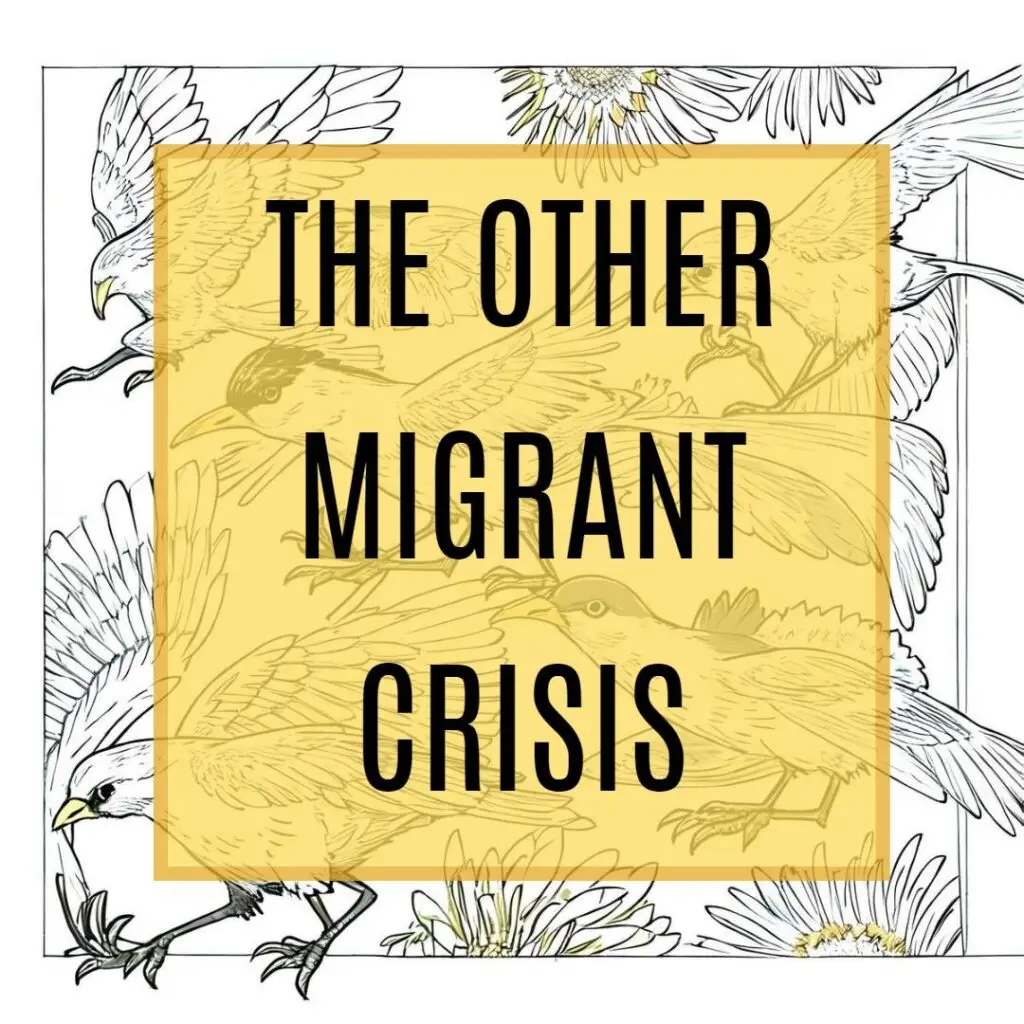
The other migrant crisis

The Critical Importance of Winter Habitat for Neotropical Migratory Birds

Neotropical migratory birds are known for their vast ranges in North America, where they breed and raise their young. However, what often goes unnoticed is that their winter ranges in South America are considerably smaller. This distinction is vital to understanding the precarious situation these birds face.

While neotropical migratory birds may have expansive breeding and nesting grounds in North America, their wintering habitats in the Western Andes of Colombia are limited. These smaller winter ranges are meticulously selected by these birds for specific environmental conditions, providing them with the resources needed for survival.

Here’s the crucial point: if neotropical migratory birds lose their winter habitat, they will face severe challenges in surviving. During the non-breeding season, these birds rely on these specific locations for shelter, food, and safety. The loss, degradation, or fragmentation of these vital wintering habitats can disrupt their life cycle, making it difficult for them to prepare for the demanding journey back to their breeding grounds.

In essence, these small winter ranges are their lifelines, and any disruption in these areas can have far-reaching consequences for their populations. By supporting reforestation and habitat restoration efforts, we are working to ensure that these critical winter habitats remain intact, providing neotropical migratory birds with the refuge they need to endure and thrive.

Help Protect Migratory Bird Habitat

The Problem: Habitat Loss and Fragmentation

The decline in neotropical migratory bird populations can be attributed to numerous factors, but the most significant cause is the loss and fragmentation of their habitats. Human activities, including agricultural expansion and deforestation, have severely affected these habitats, disrupting the birds’ life cycle. The Western Andes of Colombia, home to these incredible birds during the winter, faces a dual threat from climate change and population growth. Climate change compounds the effects of habitat fragmentation and deforestation, making it crucial to address these issues urgently.

Habitat loss in the Andean region is driven primarily by practices like agriculture and forest clearing for livestock. Recent accessibility to forested areas after a peace agreement in Colombia has only exacerbated this issue. Cerulean Warblers and Canada Warblers are particularly at risk due to the loss of suitable wintering habitat, while the deforestation of the Northern Andes poses a significant threat to Olive-sided Flycatchers and other avian species.

The Proposed Solution: Reforestation and Habitat Restoration

The Mesenia-Paramillo Nature Reserve in the Western Andes of Colombia has become a crucial focal point for conservation efforts. Saving Nature has partnered with Fundacion Bioconservancy to restore habitat for neotropical migratory birds in the area and engage local communities in these restoration efforts. By reforesting and protecting winter habitat, the project addresses a critical factor in the declining population trends of these remarkable birds.

The project focuses on five priority neotropical migratory birds native to the area: Canada Warbler, Cerulean Warbler, Mourning Warbler, Olive-sided Flycatcher, and Swallow-tailed Kite. These species are threatened by persistent habitat loss and fragmentation in their non-breeding grounds. Reforestation with native trees serves to counteract these threats by increasing habitat availability and connectivity, thus reducing mortality during the non-breeding season and improving conditions for spring migration and breeding.

Since the project’s inception in 2008, we have secured 3,845 hectares of land, of which 308 hectares are earmarked for restoration with native trees. The rest remains intact forest. This high-elevation forest is vital for species like Canada Warblers, which winter in areas between 500-2,500m. Over the next five years, the project aims to reforest 594 hectares with over 650,000 native trees to increase neotropical migratory bird habitat. As of 2019, they have already restored 183 hectares, with plans to restore an additional 100 hectares in 2024 by planting around 120,000 native trees.

Where You Come In

Reforestation efforts in the Western Andes of Colombia are providing a beacon of hope for neotropical migratory birds facing population declines. By restoring their winter habitat and actively engaging local communities, the project is contributing to the survival of these incredible birds. Furthermore, these conservation actions are in line with the growing global interest in tree planting initiatives, which play a vital role in combating climate change, protecting biodiversity, and ensuring a sustainable future for all.

Supporting initiatives like this, whether through direct involvement or financial contributions, is not only beneficial for neotropical migratory birds but for our planet as a whole. It’s a reminder that when we take action to protect the environment, we are planting the seeds of a better future for ourselves and generations to come.

Why Your Donation Matters

Your donation plays a pivotal role in the ongoing efforts to save neotropical migratory birds by restoring their winter habitat in the Western Andes of Colombia. Here’s why your support is so crucial:

  1. Habitat Restoration: The primary focus of this project is the restoration of critical winter habitat for neotropical migratory birds. Your donation directly contributes to planting native trees and creating healthier, more connected habitats for these migratory birds. By increasing habitat availability, you help provide the food, shelter, and safety that neotropical migratory birds need during the non-breeding season.

  2. Biodiversity Conservation: neotropical migratory birds are not the only beneficiaries of this restoration effort. The increased tree planting and habitat restoration also benefit the broader ecosystem. Many other species, both flora and fauna, rely on these habitats, and your donation supports the protection of this diverse ecosystem.

  3. Climate Change Mitigation: Trees are essential in the fight against climate change. They capture and store carbon dioxide, helping to mitigate the impacts of climate change. By supporting reforestation efforts, your donation contributes to a healthier planet for both neotropical migratory birds and people alike.

  4. Global Migration: neotropical migratory birds play a critical role in ecosystems on both sides of their migration routes. By supporting their winter habitat, you’re helping ensure the continuation of these incredible long-distance journeys that connect continents. This not only contributes to biodiversity but also our understanding of the planet’s interconnectedness

Help Protect Migratory Bird Habitat

Uphill Battles

Uphill Battles

How Species Are Escaping Climate Change

The effects of climate change are undeniable, and our planet’s flora and fauna are feeling the heat. As temperatures rise and ecosystems shift, many species are embarking on an uphill journey to escape the changing climate. However, their path to survival is often blocked by deforestation, leaving them isolated and vulnerable. In this blog post, we will explore the remarkable phenomenon of species moving upslope to adapt to climate change and introduce you to Fundación Bioconservancy, a beacon of hope in the battle to save nature’s project by creating wildlife corridors for these resilient species.

Help species trying to escape climate change. Help Saving Nature plant trees to offset your carbon footprint and give species an escape route.

The Uphill Migration: Escaping Climate Change

As global temperatures continue to climb, species that are unable to adapt to the changing conditions in their current habitats are facing a dilemma: adapt or perish. Many of them are choosing to migrate upslope to cooler, more suitable environments. This migration can involve a wide range of species, from plants to animals, and it’s a fascinating display of nature’s resilience.

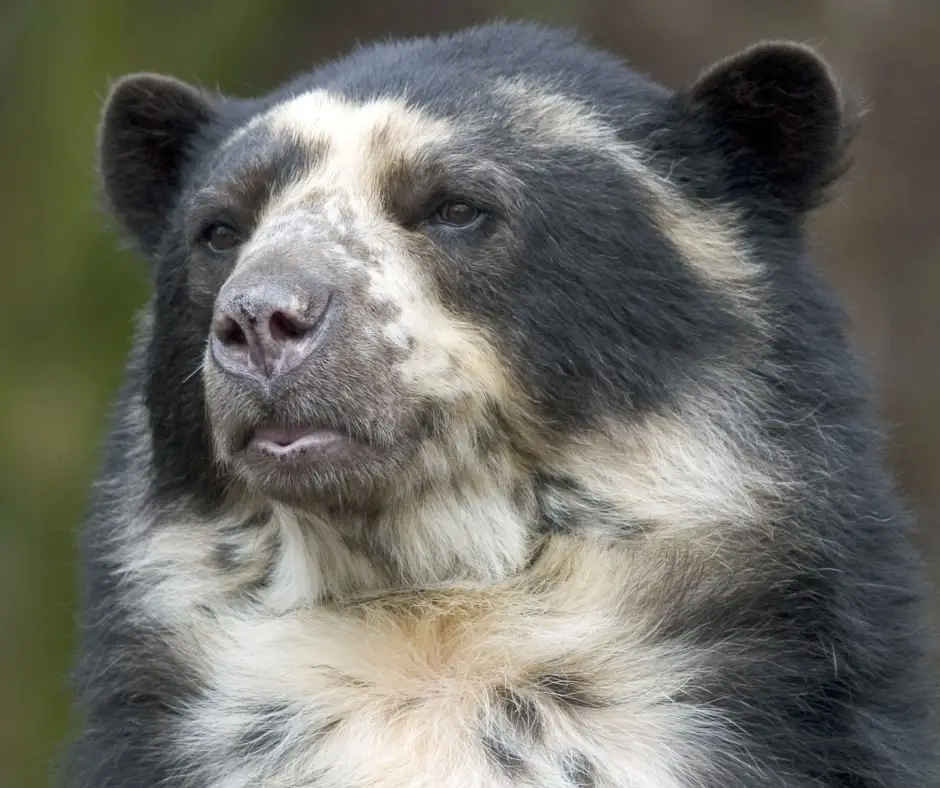
The phenomenon of species moving upslope to escape the impacts of climate change is not limited to one region but is a global narrative. In Colombia’s Western Andes, home to the iconic spectacled bear, the Andean condor, and a myriad of vibrant orchid species, this uphill migration is particularly significant. These mountains provide refuge for countless species, but as temperatures rise, even they are not immune to the effects of climate change. The spectacled bear, an endangered species, is one such resident in the Western Andes. By supporting initiatives that protect these habitats, we can ensure that species like the spectacled bear continue to roam these mountain ranges and find the cooler climes they desperately need to survive. Your support is vital in safeguarding the rich biodiversity of Colombia’s Western Andes and similar ecosystems around the world.

The Challenges of Deforestation

While the instinct to move upslope is essential for survival, it is not without its challenges. One of the most significant obstacles is deforestation. As human activities continue to clear large swaths of land for agriculture, urban development, and logging, these acts of deforestation create fragmented landscapes that can block the migration paths of species.

For species attempting to move to higher altitudes, deforested areas can act as insurmountable barriers, preventing them from reaching the cooler, more suitable habitats they seek. This isolation can lead to genetic bottlenecks, inbreeding, and increased susceptibility to diseases – all factors that threaten the survival of these species.

Creating Wildlife Corridors

Wildlife corridors are strategically designed to connect fragmented habitats, allowing species to move upslope, find food, mates, and new breeding grounds, and maintain genetic diversity. These green pathways act as lifelines for species threatened by deforestation and climate change, facilitating their movement and survival. By actively working to establish wildlife corridors, they are helping to ensure that the resilient species moving upslope can successfully adapt to the changing climate and continue their critical roles within their ecosystems.

In the face of this pressing ecological issue, Saving Nature has partnered with Fundación Bioconservancy , a beacon of hope in the cloud forest of Colombia’s Western Andes. This non-profit foundation, dedicated to preserving biodiversity, is actively engaged in creating wildlife corridors, which are essential for the safe passage of species adapting to climate change.

Our project is centered on planting native trees sourced from seeds collected in the surrounding areas by the local community. By involving the community in nursery operations with seeds sourced from the local area, they create economic opportunities for women and promote the preservation of local biodiversity. What sets Bioconservancy apart is their commitment to connecting forest fragments, enabling species to move to more habitable altitudes. Through this interconnected web of forests, they are facilitating the migration of species to more suitable environments, mitigating the impact of climate change, and ultimately creating a healthier, more vibrant ecosystem. In doing so, they are not only planting trees but sowing the seeds of a sustainable future for both the environment and the communities they engage with.

Where You Come In

As we’ve explored in this blog post, climate change is reshaping our world, forcing many of Earth’s incredible species to embark on an uphill journey for survival. Yet, the obstacles they face, particularly deforestation, can be insurmountable. This is where you come in. We need your help to create a lifeline for these resilient species – an escape route to ensure their survival.

With your help, we can ensure that the incredible species in the face of this ecological crisis have the opportunity to adapt and thrive. We have the power to be stewards of this planet, to preserve its beauty, its biodiversity, and its wonder. 

Why Your Donation Matters

The urgency of climate change requires collective action. Join us in this important mission and be a part of the solution. Together, we can close the gap, create an escape route, and secure the future of our imperiled species.  By donating today, you are helping to create a brighter and more sustainable future for all.

  1. Closing the Gap: Your contribution will directly support efforts to close the gaps in fragmented landscapes created by deforestation. By purchasing vital land and restoring it to its natural state, we can ensure that species can migrate upslope safely.

  2. Creating Wildlife Corridors: Your donation will be instrumental in establishing and maintaining wildlife corridors. These green pathways act as lifelines, allowing species to move freely between habitats, find food, mates, and new breeding grounds, and ultimately thrive in the face of climate change.

  3. Preserving Biodiversity: Your support will help protect and preserve the incredible biodiversity of our planet. Each species plays a unique role within its ecosystem, and the loss of even one can have far-reaching consequences. By safeguarding their habitats, you are helping to maintain the delicate balance of our natural world.

Donate today and be a catalyst for change. Together, we can make a world of difference!

help species escape climate change

Empowering Communities and Restoring Nature

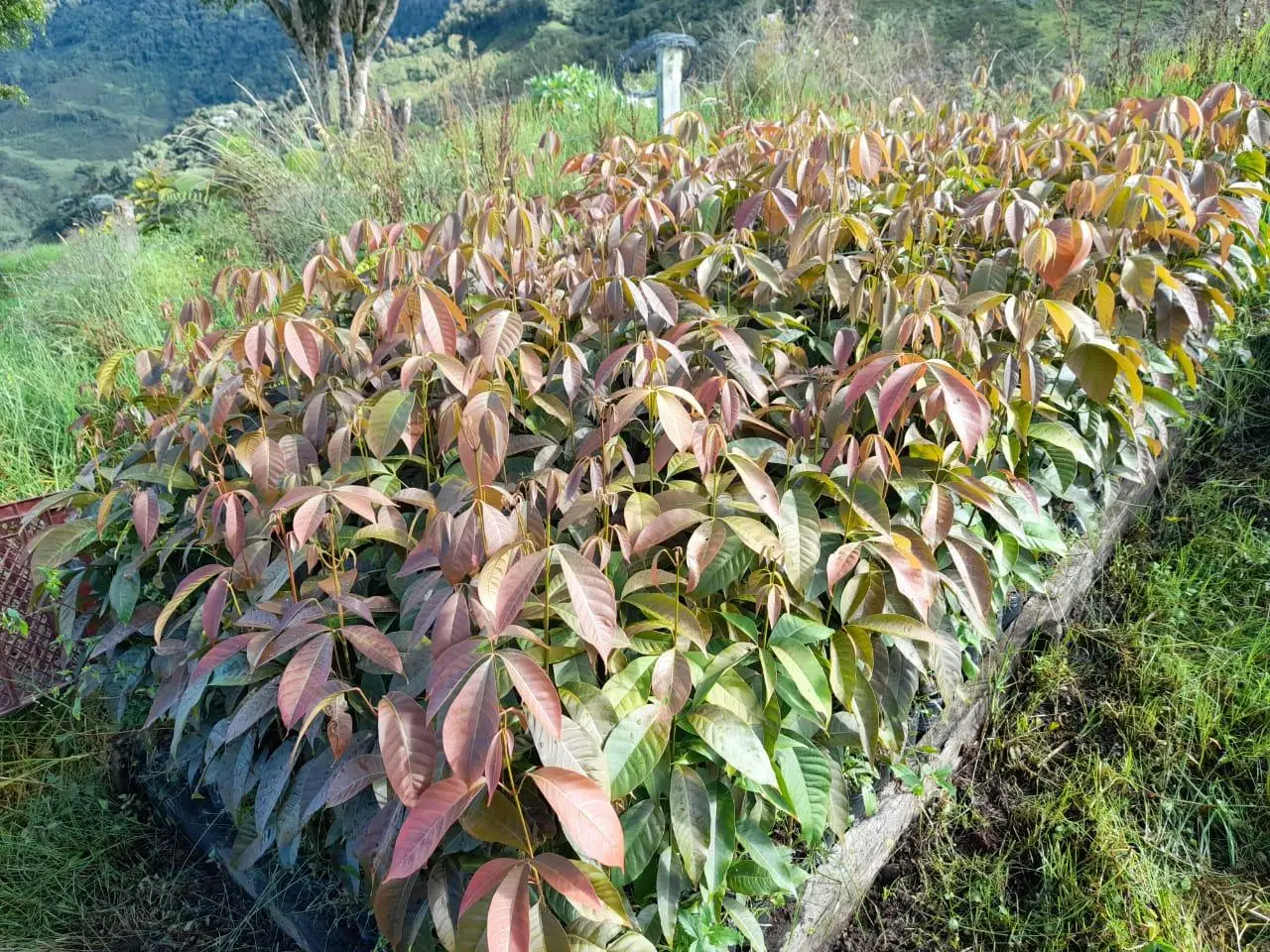
tree planting at La Mesenia - photo of nursuery

Empowering Communities and Nurturing Nature

The Impact of Fundacion Bioconservancy’s Community Nurseries

In the heart of rural villages where economic opportunities are scarce, Fundacion Bioconservancy has sown the seeds of change. Through a visionary project, they’ve established 11 community nurseries that not only nurture nature but also foster economic empowerment, primarily among women. These nurseries serve as a beacon of hope, creating a better financial future for entire families, providing resources for children’s education and medical needs, and bringing a host of other community benefits through small businesses linked to tree planting.

1. Economic Empowerment for Women

In many remote villages, women often face limited employment opportunities. The establishment of community nurseries by Fundacion Bioconservancy has turned the tide by offering women a chance to take an active role in environmental conservation while earning a living. The nurseries provide them with meaningful work, allowing them to contribute to their families’ income.

  • Steady Income: Women working in these nurseries receive a steady income, which helps alleviate financial stress in their households. This income stream not only covers basic needs but also allows them to save for the future.
  • Skill Development: Besides earning income, women gain valuable skills in plant cultivation, nursery management, and environmental conservation. These skills can open doors to further employment opportunities and entrepreneurial ventures

help sow the seeds of change

2. A Better Future for Families

The positive impact of Fundacion Bioconservancy’s community nurseries extends beyond the women involved. The income generated plays a pivotal role in securing a better future with more financial resources for entire families.

  • Education: Children from these families can now access better educational opportunities. The income from the nurseries helps cover school fees, purchase books, and provide other resources necessary for a quality education.
  • Medical Needs: Improved finances enable families to afford necessary medical care and medicines. Healthier families lead to improved overall well-being and productivity.

3. Community Benefits Through Small Businesses

The connection between tree planting and small businesses is an innovative and sustainable approach that yields multiple community benefits.

  • Health & Safety: The nurseries produce native trees and plants used to restore degraded hillsides to prevent landslides and river silting.
  • Eco-Tourism: Tree planting initiatives often attract eco-tourists interested in sustainable and eco-friendly activities. Local businesses can benefit from increased tourism, offering services such as accommodation, food, and guided tours.
  • Environmental Awareness: The community nurseries raise environmental awareness, encouraging the establishment of small businesses focused on eco-friendly products and services. This can include handmade crafts, organic produce, and ecotourism experiences.

4. Conclusion

Fundacion Bioconservancy’s community nurseries stand as a testament to the transformative power of environmental conservation initiatives. Beyond their ecological significance, these nurseries have brought economic empowerment to women, paving the way for better financial futures for entire families. Moreover, they have created a ripple effect of community benefits through small businesses linked to tree planting. As these nurseries continue to thrive, they offer a sustainable and holistic model for community development, one that nurtures both nature and human potential.

Help sow the seeds of change

Saving Nature And REGUA Announce Significant Land Purchase As Part Of Multi-Year Conservation Vision For Brazil’s Atlantic Forest

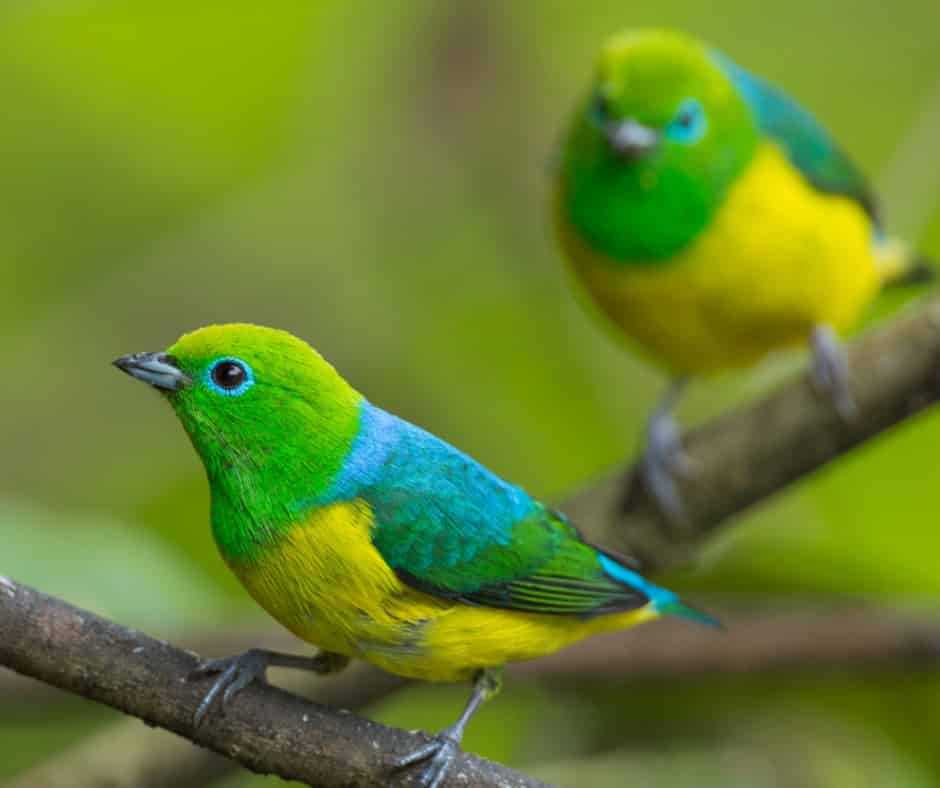
Blue-naped Chlorophonia (Chlorophonia cyanea)

Saving Nature And REGUA Announce Significant Land Purchase As Part Of Multi-Year Conservation Vision For Brazil’s Atlantic Forest

Saving Nature, a non-profit, science-led conservation organization dedicated to preventing extinctions and fighting climate change, announced today a significant land acquisition in Brazil. The investment is part of a multi-year partnership with Reserva Ecologica de Guapiaçu (REGUA), a Brazilian NGO working to restore critical habitat for biodiversity in the Atlantic Forest near Rio de Janeiro.

REGUA is a leading conservation organization focused on creating a sustainable future for a critical watershed that supplies fresh water to thirteen million people in Rio de Janeiro. The land purchased is embedded within Brazil’s third largest remaining Atlantic Forest fragment. It adds 294 acres of land that REGUA will reforest with native trees to create a 1,000-acre restoration zone within its 18,250-hectare protected nature reserve.

 “Brazil’s Atlantic Forest is one of the most biologically diverse places on earth and is home to many thousands of species of animals and plants that exist nowhere else,” commented Dr. Stuart Pimm, Founder and President of Saving Nature. “We are delighted to partner with REGUA to implement a broad regional vision for the restoration of the Atlantic Forest and the salvation of its biodiversity.

REGUA has worked intensely to protect the remaining forests, partnering with international groups, including Saving Nature, to identify and create corridors for threatened and endangered species,” commented Nicholas Locke, President of REGUA. “Because of the ongoing threat of forest fragmentation and urban development, restoring and protecting the Atlantic Forest is the only way for its magnificent biodiversity to survive.

The land purchase and strategic partnership are a unique opportunity to fortify and amplify REGUA’s conservation gains. The partners hope the project will serve as a model for achieving effective and efficient ecosystem protection and natural solutions to climate change through strategic action centred around biodiversity.

About Saving Nature, Inc.

Founded by senior conservation scientists, Saving Nature is committed to rescuing endangered species from extinction and communities from environmental destruction. Saving Nature partners with local conservation groups to create vital connections between isolated forests in biodiversity hotspots. The organisation creates strategic wildlife corridors to promote species dispersal, genetic diversity, and population rebound. By acquiring and reforesting degraded landscapes with native trees, the corridors sequester carbon and provide essential ecosystem services in an era of climate change. Saving Nature is a non-profit 501(c)(3) organisation, and all donations to Saving Nature are tax-deductible. To donate, click here.

About REGUA:

REGUA is a Brazilian environmental NGO created in 2001 with a mission of conserving the Atlantic Forest of the Guapiaçu river catchment. Since 2001, REGUA has created a protected area of more than 28,650 acres, planted 650,000 trees, restored lost swamps, and successfully reintroduced tapirs. REGUA manages a 18,250-acre protected nature reserve and works with local landowners to protect an additional 10,400 acres.

REGUA delivers complementary programs that include conservation, education, and research. Their long-term forest protection program includes land purchase and restoration, recreating wetlands, planting native trees, reintroducing lost species, hiring forest rangers, and designating Private Park (RPPN) status. REGUA’s education program supports environmental awareness through wide-reaching community and international studies. Ongoing scientific research includes partnerships with universities and scientists to advance insights into the region’s biodiversity and publish papers on conservation topics.

The World’s Smallest Chameleon Now Discovered

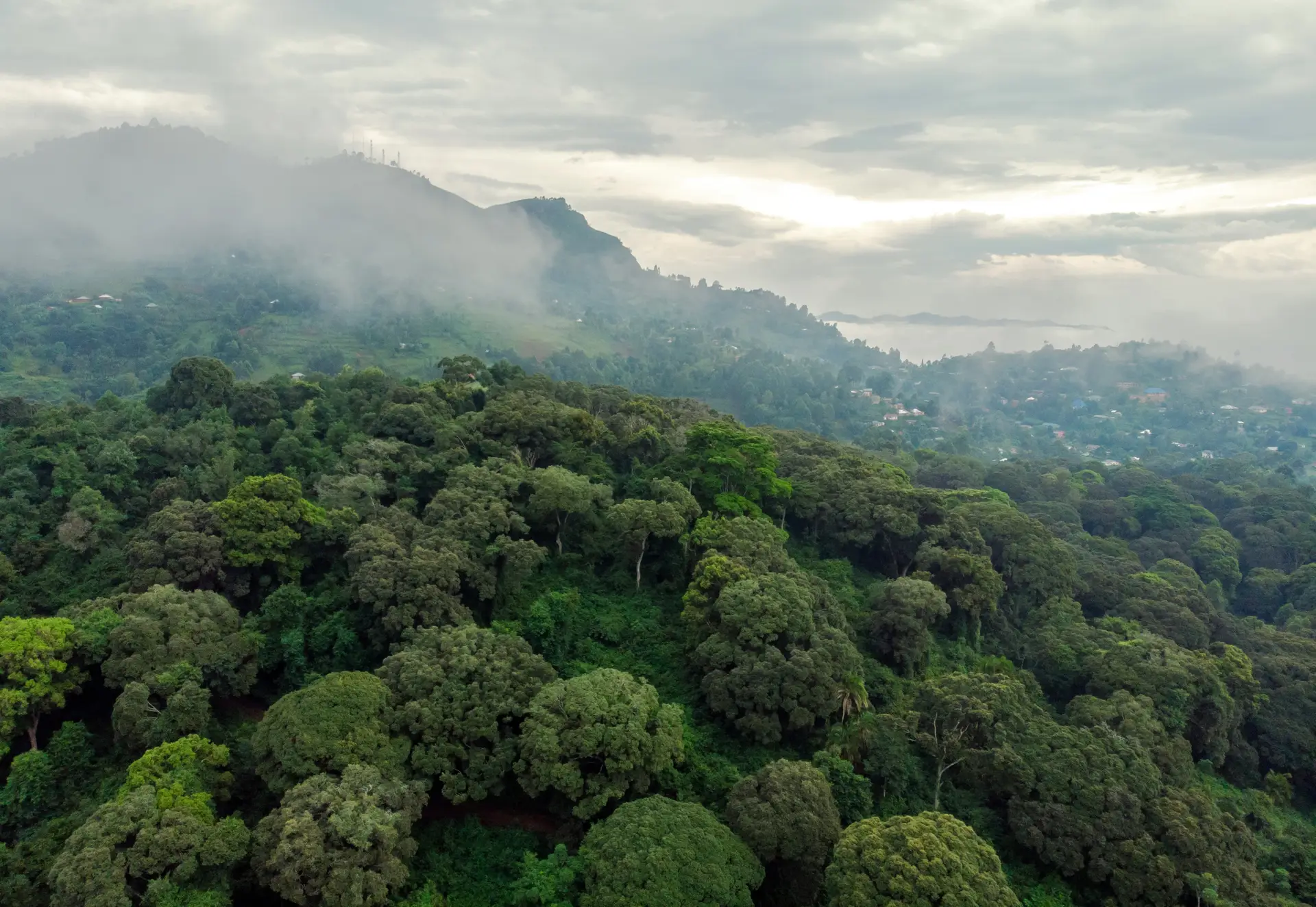
Drone View of Usambara Mountains

The World’s Smallest Chameleon Now Discovered

Contributed by Megan Watson

A new species of chameleon, Brookesia nana, has recently been discovered in the mountainous forests of northern Madagascar. Measuring just less than 30 millimeters in length, it may be the smallest reptile ever identified, according to research published in Scientific Reports. Nicknamed B. nana for short, this amazing species is a member of a genus comprising around 13 other tiny chameleons found throughout the region. Sadly, however, scientists expect the chameleon to soon be considered critically endangered.

The size of a sunflower seed 

So far, only one adult male and one adult female specimen has been discovered. The male measures a mere 21.6 millimeters in length, while the female is significantly longer at 28.9 millimeters. It’s thought this discrepancy in size (known as sexual dimorphism) may be the reason for the male’s larger genitalia, which equals almost 20% of its body length, herpetologist Frank Glaw of the Bavarian State Collection of Zoology explains. However, at the moment, since only two individuals have been identified, it’s difficult to know whether these sizes are the norm for the species. Ultimately, it’s unknown why B. nana evolved to be so tiny, however it probably makes them more efficient at catching prey with their projectile tongues. Similar to other chameleons, B. nana uses its projectile tongue to catch tiny invertebrates like mites and springtails on the rainforest floor during the day.

The need for conservation

Unfortunately, habitat degradation and deforestation put a question mark over this tiny reptile’s future. The region’s increasing population and poverty levels have forced inhabitants to clear rainforests for agriculture (94% of Madagascar’s previously forested lands have now been deforested). As such, it’s likely B. nana will be officially considered critically endangered by the International Union for Conservation of Nature (IUCN). However, Sorata massif, the region where the B. nana was found, has at least recently been made a protected area by the Malagasy government.

Moreover, 36% of all chameleon species worldwide are actually facing extinction, the SSC Chameleon Specialist Group finds. Nine species are listed as critically endangered, 37 as endangered, and 20 as vulnerable — resulting in 66 species of threatened chameleons in total. More than just chameleons, the whole reptile family is facing a bleak future with 19% currently threatened by extinction. In fact, an average of nearly one million endangered and threatened snakes are legally sold every year on the international market, which puts snake species, human health, and entire ecosystems at risk. People looking to keep snakes as pets should at least choose species that aren’t endangered. The Amazon Tree Boa The Amazon Tree Boa, for example, is currently classified as “least concern” by the IUCN.

How small is the smallest?

B. nana’s minute size raises the question of just how small it’s possible for vertebrates to be. There are frogs, for example, that are still actually much smaller. However, surface area eventually becomes a problem for tiny creatures who, surprisingly, typically have larger surface area to volume ratios than big creatures. And, when these ratios are high, the more the animal becomes at risk of water loss. “There also seems to be a limit as to where you can put all the stuff you have,” says researcher Tony Gamble. Many small creatures have reduced skull sizes or overlapping bones, and some lose entire structures through evolution.

Ultimately, this discovery serves as a reminder to everyone just how diverse the island of Madagascar is. “I think what keeps stories like this front and center in our imagination is that every time something like this is discovered, it’s like, ‘Oh man, I guess [living creatures] can get a little smaller,’” says Gamble.

New Orchid Discovered

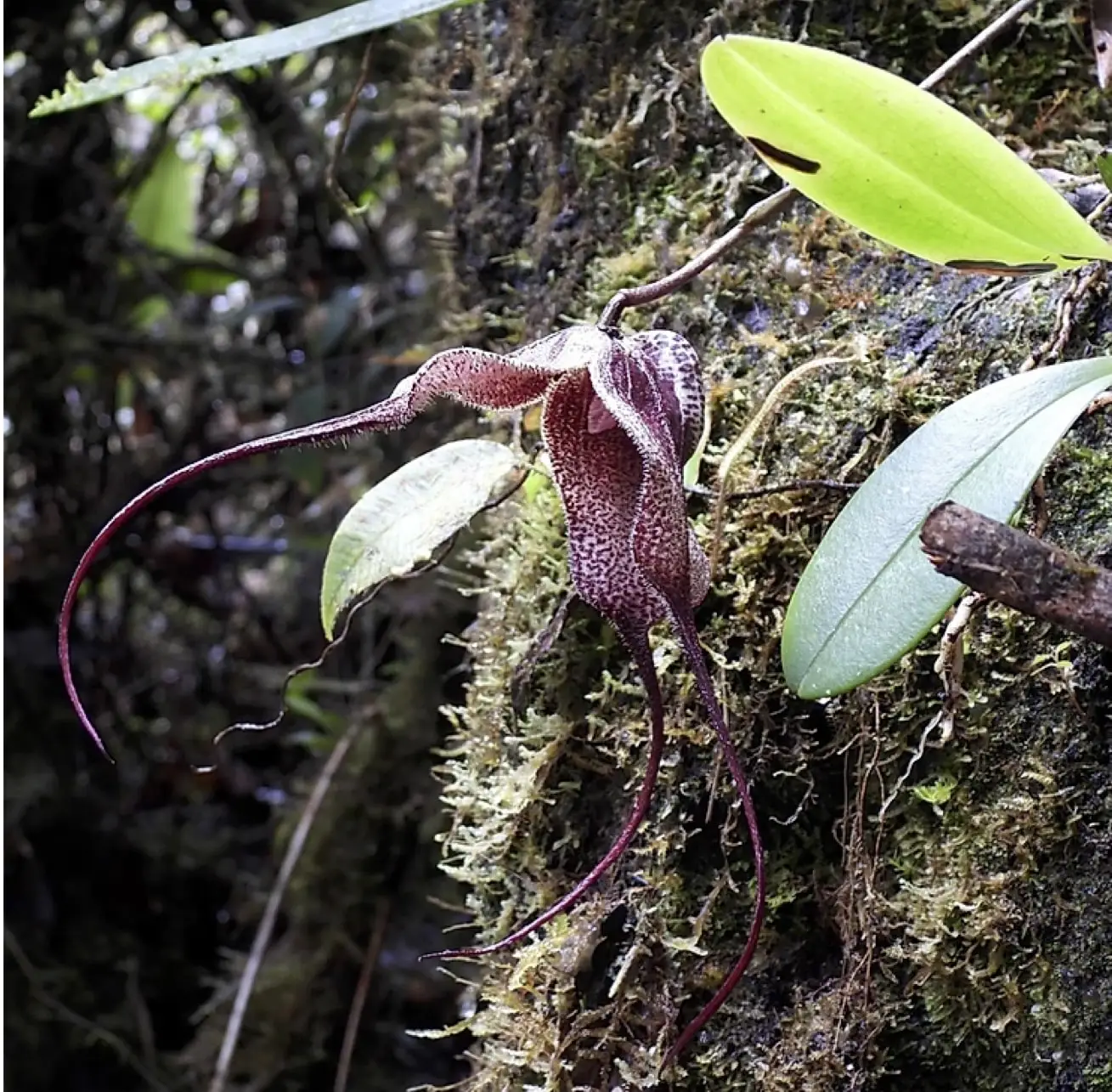
New orchid discovered, Dracula irmelinae, named for Leonardo DiCaprios Mother

June 5, 2020: In remote places on earth, there ares still species unknown to science. Our project in the Western Andes of Colombia is one such place, where a new species of orchid has been discovered, described, and named.

New Orchid Discovered

Western Andes Cloud Forest 

The cloud forests of Colombia’s Western Andes are a very special place for biodiversity, especially when it comes to orchids. The climate here is ideal for a wide variety of tropical plants, with mountain peaks enveloped by the mist that forms when warm air meets chillier mountain currents. Its remoteness also make it an ideal location to discover new species.

Dracula irmelinae

In fact, these forests are home to over 200 species of orchids in all forms and sizes, from miniature Andinia, Stelis and Lepanthes, to larger Masdevallia, Maxillaria and Dracula. And the rangers have only begun to explore, forging trails with names like “Transylvania” for the variety of Dracula orchids found here. 

The Transylvania Trail rises to 9,700 feet (2,950m), winding through montane forests and stunted subparamo vegetation. Along the ascent, Dracula orchid species like D. gorgona, D. chimaera, D. iricolor, D. andrettae and D. gorgonella adorn the forest. It was on this very trail, that Ubiel Rendon, a Hummingbird Conservancy Ranger, noticed an unusual orchid and wondered about its classification. After conferring with two Dracula experts, Nicolas Pelaez and Gary Meyer, the team confirmed the discovery of an entirely new species. 

As anyone who has read The Orchid Thief knows, it is amazing that any species of orchid has escaped discovery in a region of Colombia that has been scoured for Draculas since the Victorian orchid craze. Perhaps it was because this new orchid species is endemic to a small area in the Western Cordillera of Colombia that it had escaped the notice of obsessed orchid collectors. In total, it’s Area of Occupancy is no more than 500 km2 (193 square miles), a virtual needle in the haystack of the Andes Mountains.

Making It Official 

The new Dracula orchid is now official, with publication of its description in  in Volume 20, Number 2 issue of Lankesteriana International Journal of Orchidiology.  Its name, Dracula irmelinae, honors Irmelin Indenbirken, Leonardo DiCaprio’s mother, in appreciation of his commitment to conservation efforts. Through his foundation, his generous support of Saving Nature’s projects has helped ensure the survival of orchids and countless other species struggling for safe haven in the Western Andes of Colombia and other biodiversity hotspots around the world.

Protecting Wild Orchids 

Sadly, although newly discovered, Dracula irmelinae is already Endangered (EN) according to criteria established by the International Union for Conservation of Nature, due to habitat loss in the area.  Saving Nature is working with The Hummingbird Conservancy to change that. Our project here is restoring this area for orchids and other species.

Learn More About Our Project in COLOMBIA

Earth Day 2020

Saving Nature Earth Day 2020

April 22, 2020: Saving Nature's President, Stuart Pimm, reflects on the state of the planet 50 years after the first Earth Day.  

Today is the 50th Earth Day

HOW ARE WE DOING?

We’ll celebrate Earth Day 2020 under the house arrest COVID-19 has imposed. Let’s not miss that this has happened because we have failed in the task of saving nature.  

The current pandemic is just one of a series. The lessons before from MERS, SARS, and the 2009 H1N1 is that there’s a lot of nasty things out there — and they want to flourish by infecting us.

The more we move into nature, chopping down forests, killing animals for bushmeat or putative medicines, the more likely we will encounter these and similar diseases. They come from the habitats we destroy, from the forest edges where susceptible people contact infected species that are disease reservoirs.

Or when we enter the forests: butchering apes or bats or pangolins is a bloody, unsanitary business.  While some societies must depend on wild-caught species, for many it’s a luxury good. This Earth Day, human society is paying an appalling price for their indulgence.  

So what can we do to honor Earth Day?

Protect nature as best we can.  We can minimise that edge between us and nature.  Keep the forests we have.  Restore ones we have destroyed.  More technically, we need to reduce those edges for they are very much greater than they need to be because we have fragmented natural habitats.  That’s what we do at Saving Nature. It’s not an accident: we’ve long understood we need to keep nature intact.   

Second, how are our projects doing during COVID19?  

Not well. A lot of our partners depend on tourists on one kind or another.  Tourism has stopped. The communities where our partners work and often live were poor to start with.  The threats of poaching and logging have increased along with the diminished funds to pay staff to stop them.  And, of course, our partners have the same fears for their friends and families as we do. 

If you want to help — to reforest to reduce the edges, to help our partners, to Save Nature — please be in touch.  We know these are difficult times.  

The Planet Needs your help

Learn more about the facts here.

Good News From Sumatra

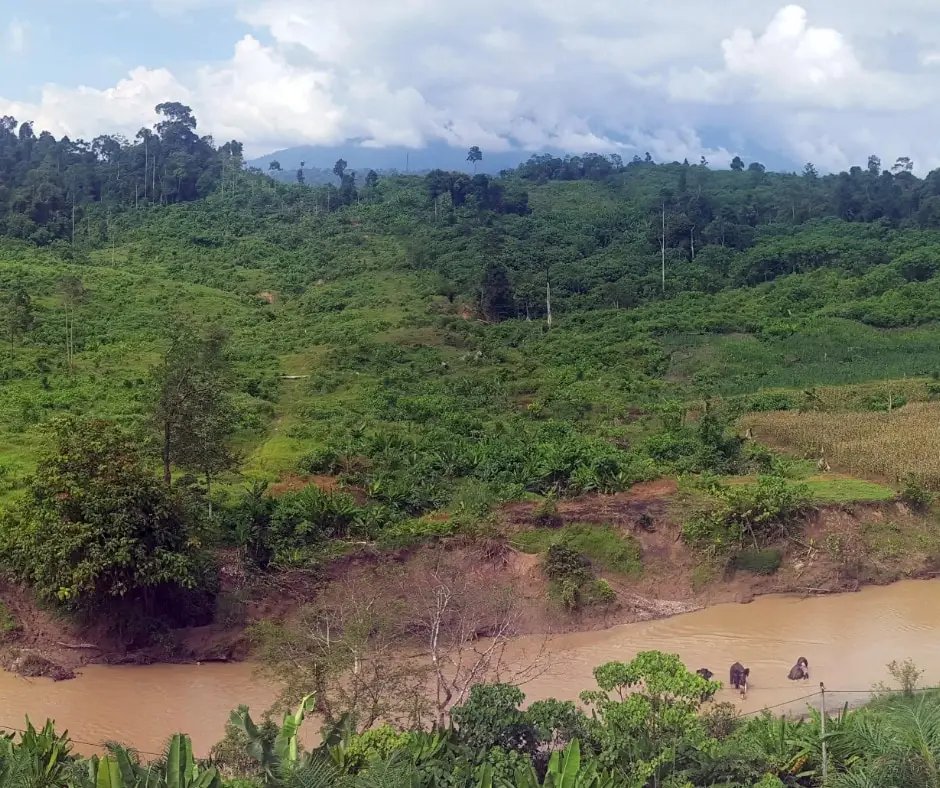
Saving Nature is creating a wildlife corriidor for wildlife protection in Sumatra

March 19, 2020

We are pleased to announce that we have funded a significant land acquisition for biodiversity conservation in the Leuser Ecosystem of Sumatra. 

Saving Nature expands Forest Protections in Sumatra

Working in partnership with Forum Konservasi Leuser (FKL), a leading NGO on the frontlines of conservation efforts in the region. 

The newly acquired 208-acre parcel is part of a larger initiative to build a wildlife corridor in Sumatra to combat the loss of habitat, re-establish elephant migration routes, and build a buffer against poachers. This latest addition nearly doubles to size of the existing corridor, significantly narrowing the gap between two large forest blocks in the northeast Leuser Ecosystem.  Restoration of the corridor with native trees will sequester over 2,150 tons of carbon dioxide each year to combat climate change.

Saving Nature launched this visionary 3-year project in 2018.  Our long-term goal is to create a 1,260-acre wildlife corridor that strategically leverages established conservation protections for a great diversity of flora and fauna. Our plan is to connect a 13,500-acre area recently designated by the Indonesian government as an elephant conservation area with over 740,000 acres of protected forest.

Acquisition of the land was made possible through the generosity of individuals committed to restoring critical habitat for threatened and endangered species. Consistent with our operating philosophy of building local capacity for long-term success, Saving Nature has partnered with Forum Konservasi Leuser (FKL), a leading NGO on the frontlines of conservation efforts in the region. Together, we are working to create a sustainable for the unique biodiversity of Sumatra. 

"Together with Forum Konservasi Leuser, we are establishing an important wildlife corridor in Leuser that will help ensure that threatened and endangered species can move freely, preventing populations from becoming isolated. Without this corridor, increasing human development will further sever the connections among forest blocks, impeding wildlife movement and undermining their resiliency. The new corridor will rebuild habitat and sequester carbon for decades to come."

sumatra's wildlife needS A refuge

Help build a connection to the future for the wildlife of Leuser.  Take a stand for their last refuge by rescuing this vanishing ecosystem, preventing the loss of biodiversity, and building resilience to fight the impacts of climate change.

Help Us Have a Bigger Impact

Give Someone A Forest 

Offset someone’s carbon footprint this year and you are giving two gifts. The first for your loved one. The second for the planet.

The time is now to enlist new trees in the fight against climate change

before you fly

Sign-Up for Our Newsletter

Stay connected for good news from the front lines of conservation.

Skip to content